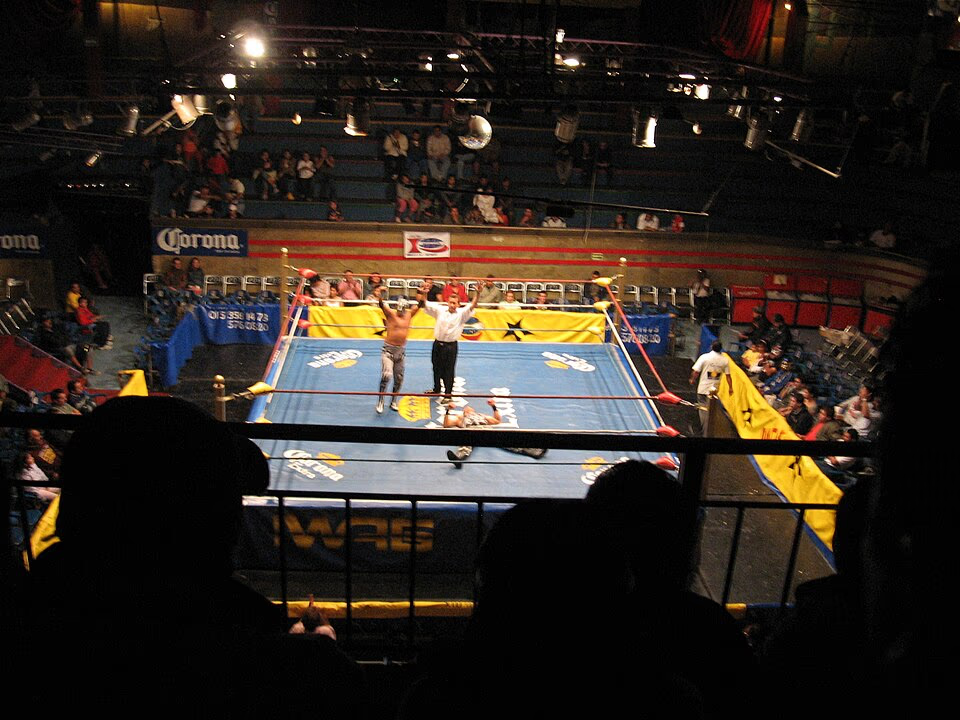

















Section 1: Introduction
Lucha Libre is the Mexican tradition of professional wrestling, distinguished from American pro wrestling by its emphasis on masks (máscaras), high-flying acrobatic maneuvers (vuelos), submission holds (llaves), and a strong narrative tradition of técnicos (heroes) versus rudos (villains). Major promotions: CMLL (Consejo Mundial de Lucha Libre, founded 1933 — the oldest professional wrestling company in the world) and AAA (Lucha Libre AAA Worldwide, founded 1992). Unlike most jurisdictions where pro wrestling is treated as scripted entertainment, in Mexico the Comisión de Box y Lucha Libre del Estado de México (and similar state commissions) regulates lucha libre as an official combat sport — issuing licenses, certifying matches, governing mask + championship traditions, and enforcing safety protocols.
Section 2: Equipment
- Mask (máscara): central identity element; many luchadores wear masks throughout career — losing a mask in a luchas de apuestas (bet match) is a major career event
- Tights/boots: traditional luchador attire — colorful tights, knee-high boots, ornamental cape (for entrance only)
- Hair: for unmasked wrestlers, hair becomes the "wager" — lucha de cabellera matches risk hair-shaving
- Mouthguard recommended; protective gear minimal (no shin guards, no helmets)
- Athletic tape on wrists + joints common
Section 3: Playing Area
- Square ring: ~6 m × 6 m elevated padded ring with 4 roped sides + turnbuckles at corners
- Padded canvas + foam ring floor over wooden boards
- Outside-ring area: padded floor surrounding ring perimeter for outside-ring action
- Arena venues: Arena México (CMLL flagship venue since 1956, ~17,000 capacity), Arena Coliseo, regional state arenas
Section 4: Players & Officials
- Single match: 1-on-1 (singles), 2-on-2 (parejas/tag), 3-on-3 (trios — the Lucha Libre signature format), or larger battle royals
- Roles: técnico (face/hero), rudo (heel/villain), tweener (in-between)
- Officials: 1 referee (árbitro) inside ring + 1 senior official (júdice supreme) ringside + ringside commissioner from state commission
- Weight classes: Mini-estrella, Welter, Medio, Semicompleto, Completo, Súper Pesado
- Mask + name licenses registered with the state commission
Section 5: Rules of Play
Match Format (Standard)
- Best 2-of-3 falls (Lucha Libre standard, vs WWE-style single-fall format)
- "Fall" = pinning shoulders for 3 count, submission, count-out, or DQ
- Match length: 10-25 minutes typical; title matches longer
Permitted Techniques
- Aerial moves (vuelos): high-flying dives, suicide dives outside the ring, top-rope maneuvers — central to Lucha style
- Submissions (llaves): joint locks (armbar, kneebar) + chokes — Lucha-tradition holds derived from catch wrestling
- Striking: chops, forearms, kicks; closed-fist punches less common (often subject to ref discretion)
- Tag wrestling: trios are core (tag in/out, double-team moves)
Match Types
- Singles: 1 vs 1, standard 2-of-3 falls
- Tag (parejas): 2 vs 2
- Trios (the Lucha Libre signature): 3 vs 3, captain selected per team
- Lucha de apuestas: stake match — loser unmasks (máscara contra máscara) or has hair shaved (cabellera contra cabellera) — career-defining moments
- Championship matches: singles, longer format, gold belt prize
Section 6: Scoring
- Best 2-of-3 falls; first to 2 falls wins the match
- Falls counted by referee 3-count, submission tap, count-out, DQ, or referee stoppage
- Title belts: held by individual luchador; defended periodically; lineage tracked across decades
- Major championships: CMLL World Heavyweight, NWA World Welterweight, AAA Mega Championship, IWGP Heavyweight (cross-promoted with NJPW)
Section 7: Violations & Penalties
- Removing opponent's mask in-match: instant DQ (one of Lucha Libre's most sacred rules — only special máscara contra máscara matches can strip masks)
- Hitting referee: DQ + suspension
- Outside interference: DQ for the benefiting wrestler
- Use of foreign objects: DQ (with referee discretion — narrative-driven exceptions in some promotions)
- Refusing to release submission: DQ + commission fine
- Anti-doping: state commission medical oversight; testing varies by venue + promotion
Section 8: Safety Considerations
Lucha Libre is choreographed-but-physical — luchadores perform acrobatic moves that produce real-injury risk: fractures, concussions, neck/back injuries from dives + slams. State commission requires: pre-match medical inspection of each luchador (cardiac + neurological), ringside physician with stoppage authority, on-site EMT + ambulance, AED in arena, post-match medical assessment. Concussion protocol: luchador removed from booking if KO-suspected; minimum medical clearance period before returning. Mask hygiene + replacement protocols (sweat + sun damage degrade masks over time). Aerial moves (top-rope dives, springboards) require pre-show ring inspection. State commission may suspend wrestlers for safety violations, ring rust, or failure to follow approved match plan.