


🏛️Official — Estado de Mexico Commission
Loading OpenSourceSports…
Combat Sports
1 players
indoor
ring, face mask, footwear
10 essential rules
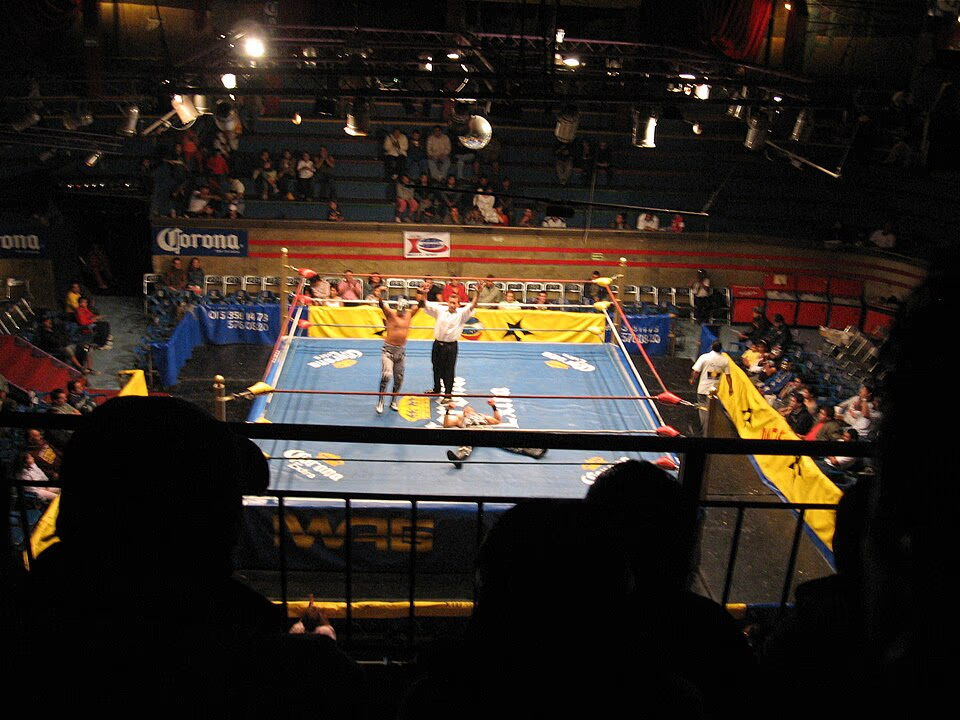
Lucha Libre is the Mexican tradition of professional wrestling, distinguished from American pro wrestling by its emphasis on masks (máscaras), high-flying acrobatic maneuvers (vuelos), submission holds (llaves), and a strong narrative tradition of técnicos (heroes) versus rudos (villains). Major ...
Best 2-of-3 falls (Lucha Libre standard, vs WWE-style single-fall format); "Fall" = pinning shoulders for 3 count, submission, count-out, or DQ; Match length: 10-25 minutes typical; title matches longer
Singles: 1 vs 1, standard 2-of-3 falls; Tag (parejas): 2 vs 2; Trios (the Lucha Libre signature): 3 vs 3, captain selected per team
Aerial moves (vuelos): high-flying dives, suicide dives outside the ring, top-rope maneuvers — central to Lucha style; Submissions (llaves): joint locks (armbar, kneebar) + chokes — Lucha-tradition holds derived from catch wrestling; Striking: chops, forearms, kicks; closed-fist punches less comm...
Mask (máscara): central identity element; many luchadores wear masks throughout career — losing a mask in a luchas de apuestas (bet match) is a major career event; Tights/boots: traditional luchador attire — colorful tights, knee-high boots, ornamental cape (for entrance only); Hair: for unmasked...
Square ring: ~6 m × 6 m elevated padded ring with 4 roped sides + turnbuckles at corners; Padded canvas + foam ring floor over wooden boards; Outside-ring area: padded floor surrounding ring perimeter for outside-ring action
Single match: 1-on-1 (singles), 2-on-2 (parejas/tag), 3-on-3 (trios — the Lucha Libre signature format), or larger battle royals; Roles: técnico (face/hero), rudo (heel/villain), tweener (in-between); Officials: 1 referee (árbitro) inside ring + 1 senior official (júdice supreme) ringside + rings...
Best 2-of-3 falls (Lucha Libre standard, vs WWE-style single-fall format); "Fall" = pinning shoulders for 3 count, submission, count-out, or DQ; Match length: 10-25 minutes typical; title matches longer
Best 2-of-3 falls; first to 2 falls wins the match; Falls counted by referee 3-count, submission tap, count-out, DQ, or referee stoppage; Title belts: held by individual luchador; defended periodically; lineage tracked across decades
Removing opponent's mask in-match: instant DQ (one of Lucha Libre's most sacred rules — only special máscara contra máscara matches can strip masks); Hitting referee: DQ + suspension; Outside interference: DQ for the benefiting wrestler
Lucha Libre is choreographed-but-physical — luchadores perform acrobatic moves that produce real-injury risk: fractures, concussions, neck/back injuries from dives + slams. State commission requires: pre-match medical inspection of each luchador (...
La máscara es sagrada — never remove a mask outside an apuesta
A luchador's mask represents identity, lineage, and career. Pulling at, exposing, or removing an opponent's mask during any non-apuesta (bet) match is the gravest violation in lucha libre. Even an accidental unmasking requires immediate restoration. The mask is treated as a second face — forced removal without a formal wager is profoundly dishonorable.
Rooted in lucha's theatrical and cultural origins in 1930s Mexico; predates all modern promotions and commissions.
Do not go into business for yourself — honor the planned finish
Deviating from the agreed-upon match result without promoter consent is universally condemned. Lucha libre's cooperative art depends on mutual trust. A luchador who unilaterally changes a finish can be permanently blacklisted from major promotions. The norm is enforced especially strictly within CMLL's traditional structure.
High-profile incidents of this type in Mexican wrestling have ended careers with major promotions.
A mask wager must be earned — do not challenge frivolously
An apuesta match staking a luchador's mask is a career-defining event requiring genuine feud, heat, and storytelling buildup. Challenging for a mask without credible rivalry, or accepting a mask match without sufficient story, disrespects the tradition and the cultural weight of what a mask represents. The stakes must feel real.
This standard is most strictly observed within CMLL's traditional Estado de Mexico territory; independent promotions are sometimes criticized for using mask matches as quick attendance draws.
Ready to dive deeper?
Respect the veteran hierarchy — younger luchadores defer to elders
CMLL and the Estado de Mexico Commission operate on a strict generational hierarchy. Younger wrestlers defer to veterans in locker room order, travel arrangements, and early-career positioning. Publicly upstaging or disrespecting a recognized legend without being granted that standing through earned seniority is a serious social offense.
CMLL is among the most tradition-bound promotions globally; the hierarchy is enforced more strictly here than in US-based or independent promotions.
Protect your opponent — cooperation is the foundation of the art
Because lucha libre is a cooperative performance, failing to protect a partner from real injury — especially during high-risk aerial maneuvers — is a serious breach of trust. Careless work resulting in preventable injury can get a luchador shunned by promoters and peers. Receiving a dive requires correct positioning; this duty falls on both performers.
Lucha's emphasis on high-flying (luchadores voladores) makes this especially critical compared to other wrestling styles.
Accept mask or hair loss with dignity — weeping is honorable
The loser of an apuesta match must accept the outcome publicly. Uniquely in lucha culture, weeping after losing your mask is not weakness — it is expected and respected as proof of the mask's meaning. Refusing the result or leaving the arena immediately is heavily stigmatized. The reveal is a solemn ceremony, not merely a match finish.
Celebrated apuesta losses in CMLL history are remembered in part for the emotional gravity of the moment of revelation.