














Section 1: Introduction
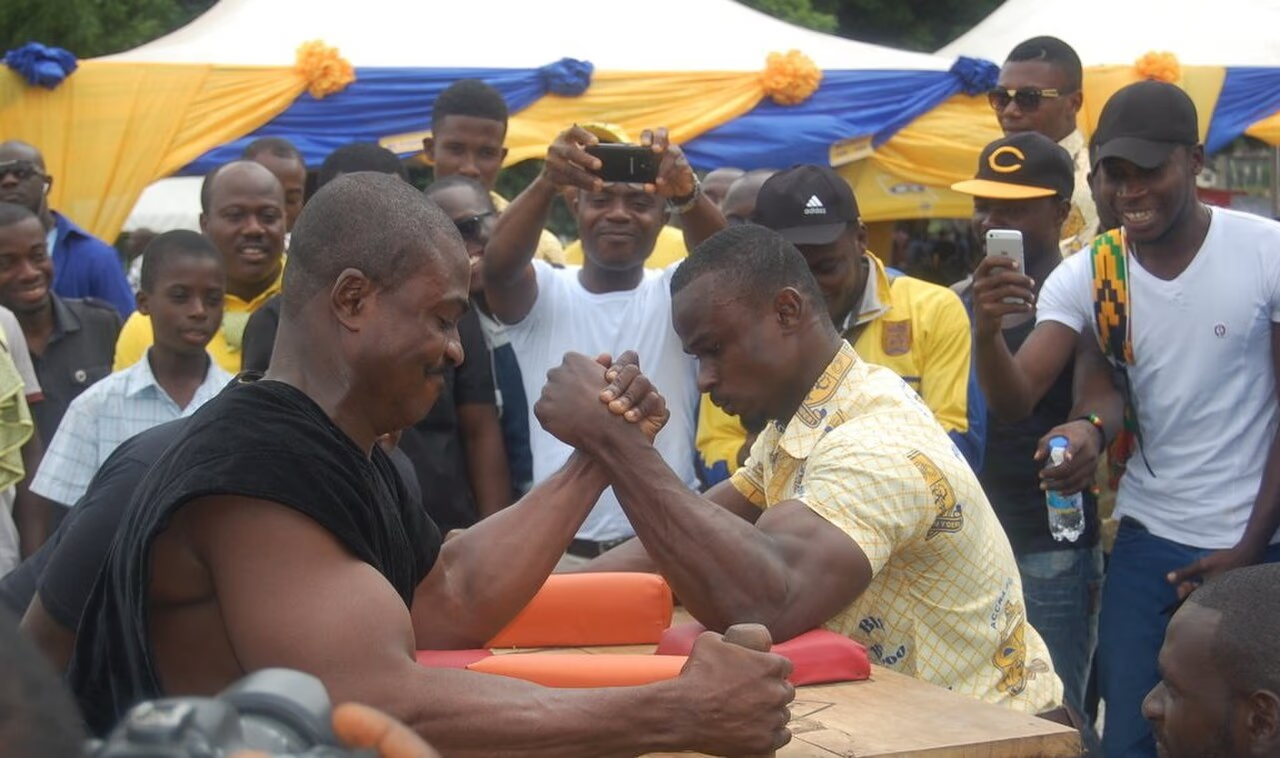
Para Armwrestling is the adaptive armwrestling discipline governed by the WAF Para Sport Commission. Para Armwrestling adapts the WAF individual ruleset to accommodate athletes with physical disabilities — most commonly lower-limb impairments, where seated competition is the norm. Classifications cover ambulatory athletes (some impairment but able to stand) and wheelchair athletes. Para Armwrestling is contested at the WAF World Para Armwrestling Championships and integrated with the main World Armwrestling Championships in many editions. See the sibling WAF Armwrestling Rules entry for the base international ruleset.
Section 2: Equipment
- WAF-spec armwrestling table (104 cm tall × 91-93 cm long, padded elbow pads + pegs + touch pads)
- Adaptive seating: wheelchair-accessible table configuration; padded chair with back support for athletes who compete seated
- Standard apparel: short-sleeve shirt (mid-bicep maximum); no jewelry; trimmed nails
- Indoor sport shoes (where applicable)
Section 3: Playing Area
- Wheelchair-accessible competition floor with accessible warm-up + medical areas
- Designated parallel-table layout suitable for both standing + seated athletes
- Classification + medical assessment station on-site
Section 4: Players & Officials
- Two competitors per match
- Classifications: WAF-defined disability classes for ambulatory + seated athletes (broadly: WW1-WW4 wheelchair classes, AW1-AW2 ambulatory)
- Weight classes follow WAF individual schedule (with potential consolidated lighter divisions in Para)
- Officials: 1 main referee + 1 side referee + classification panel for athlete category verification
Section 5: Rules of Play
- Starting position: elbows on pads; non-pulling hand grips peg; foot on floor (ambulatory) OR seated with back-support (wheelchair)
- Referee centers grip + calls "Ready... Go!"
- Win condition: pin opponent's hand to touch pad
- Match = best of 3 rounds at major event; single round at preliminary
- 90-second per-round time limit
- Foul system: 1st warning, 2nd loss of round
- Seat-adjustment protocol for wheelchair athletes: positional reference enforced via marked seat boundary
Section 6: Scoring
- 1 point per round won; best of 3 wins match
- Tournament: single-elimination bracket with double-loss elimination (repechage) per classification
- Gold/Silver/Bronze per weight class per arm per disability class
Section 7: Violations & Penalties
- Standard WAF foul taxonomy: elbow off pad, shoulder off-line, foot off floor (ambulatory) or seat-displacement (seated), false start, grip break
- Anti-doping: WAF + WADA Code aligned
- Classification fraud: lifetime ban
- Unsportsmanlike conduct: disqualification
Section 8: Safety Considerations
Same primary injury risk as able-bodied armwrestling: spiral humerus fractures, shoulder strain, elbow ligament damage. Pre-competition medical clearance + classification-specific clearance. WAF mandates on-site athletic trainer + EMT + ambulance at Para Championships. AED on-site. Specialized seating + transfer-assistance protocols for wheelchair athletes. Mat-side classification panel reviews any classification-status questions during competition.